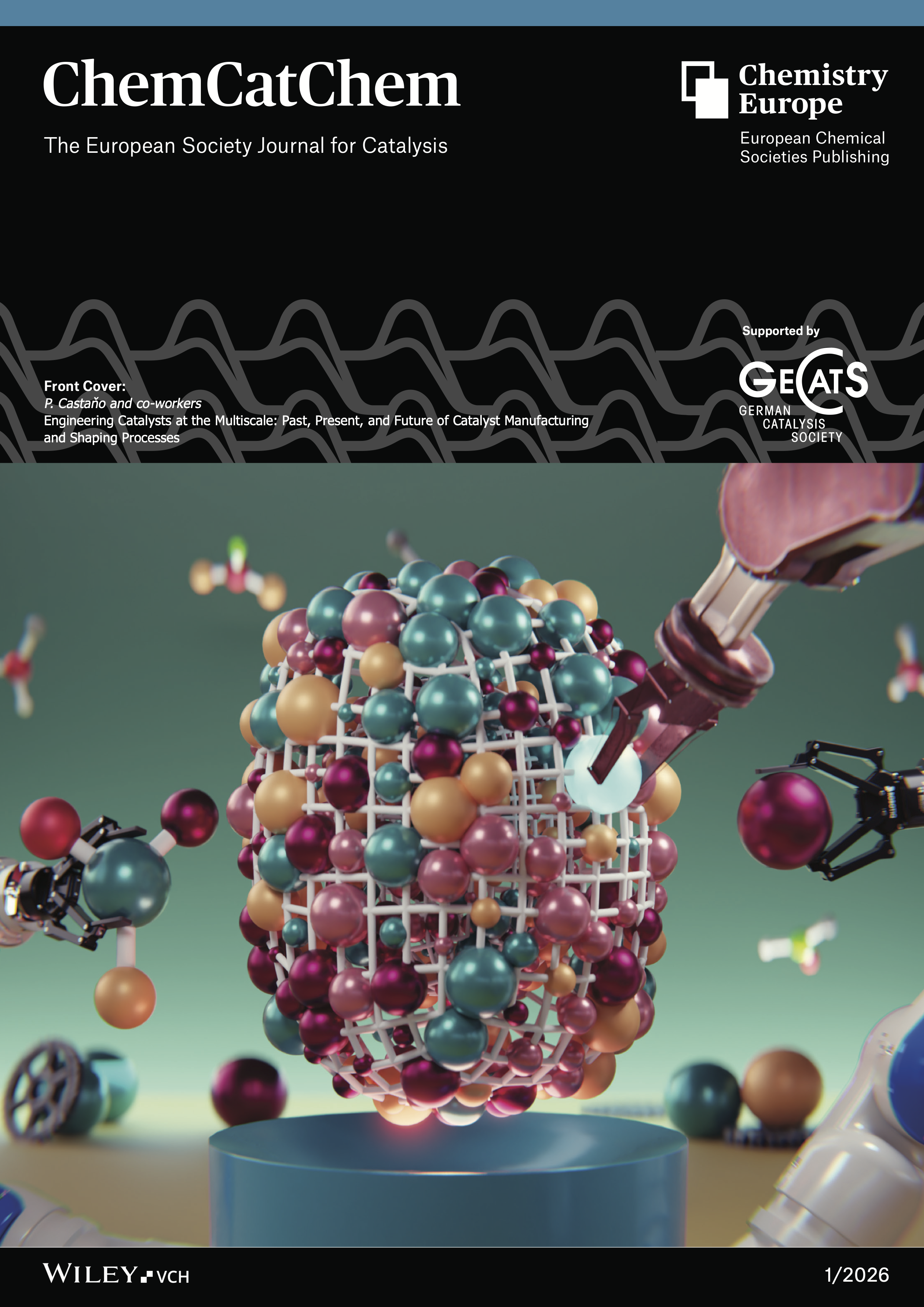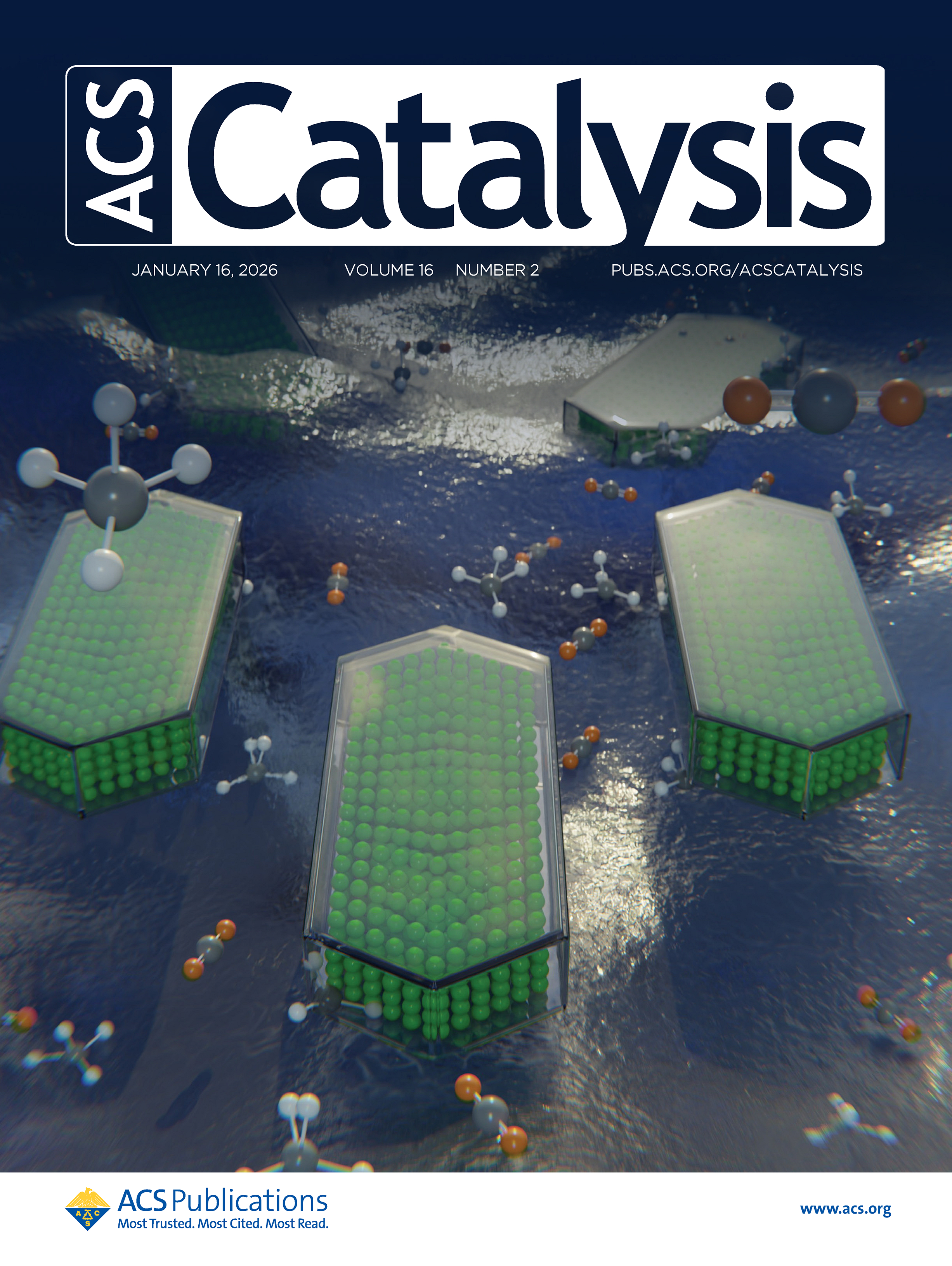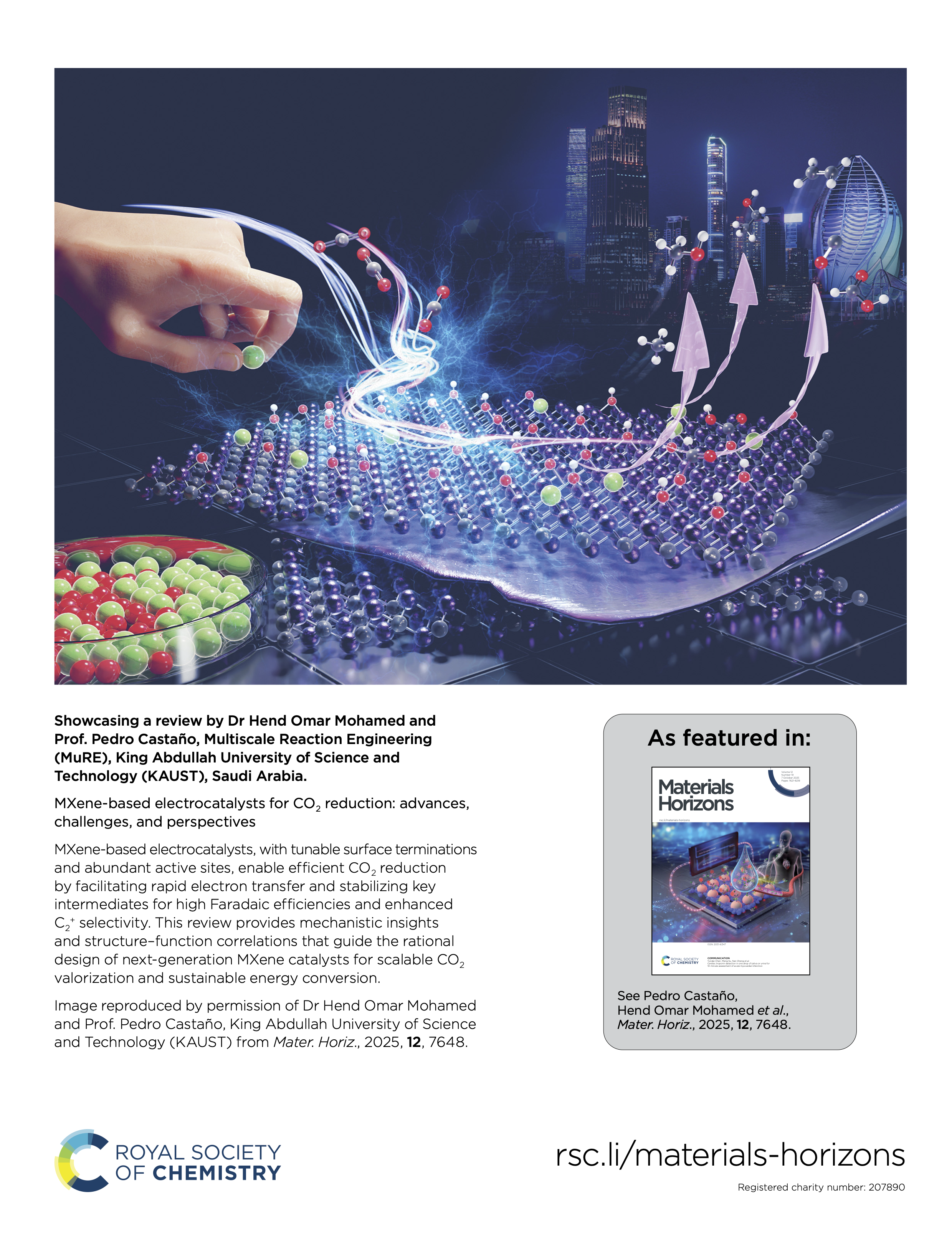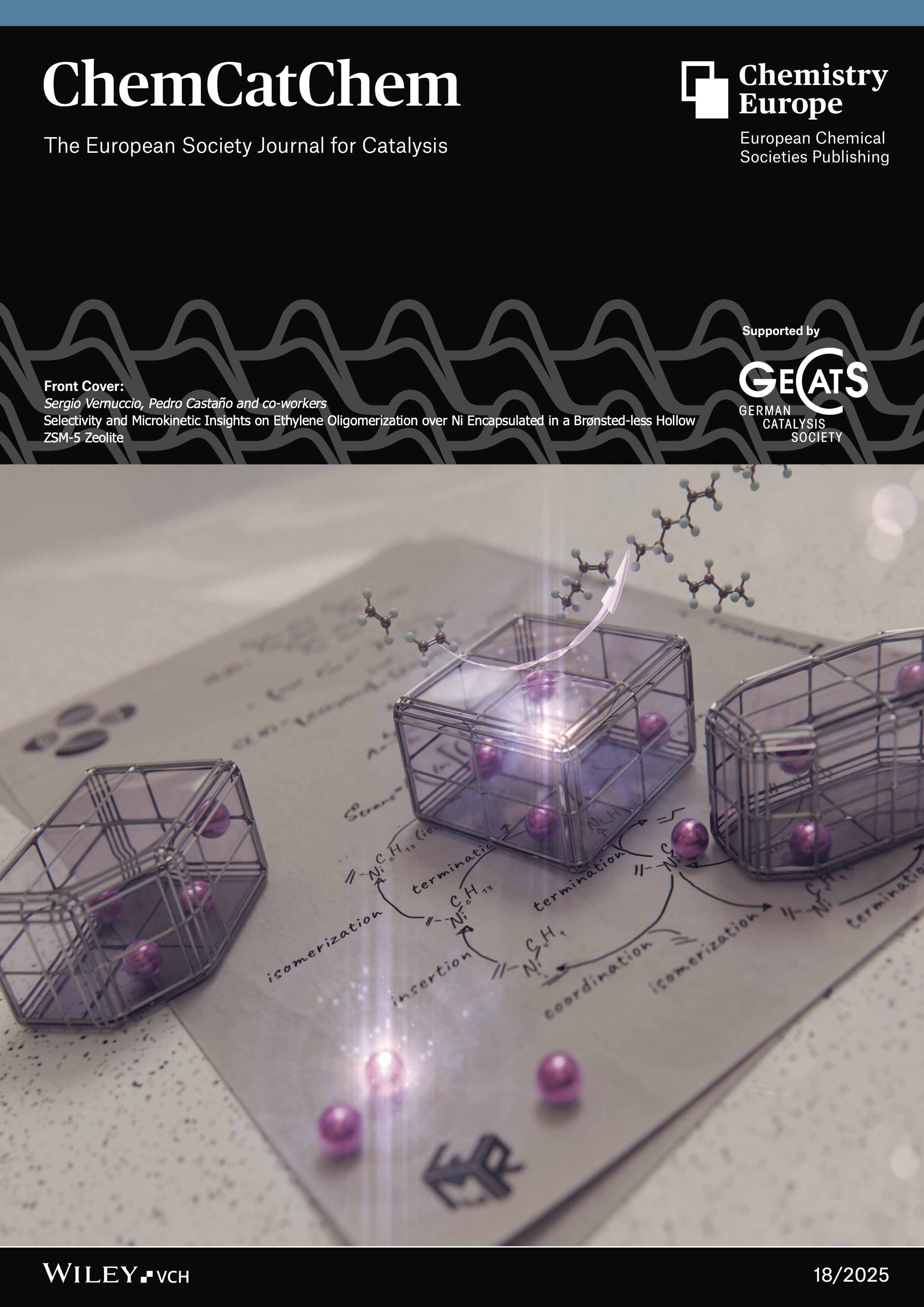
Heterogeneous catalyst engineering: from stable, deactivation-resistant active phases to viable technical catalysts. We design catalysts that remain active under industrial conditions and can be manufactured at scale, from the active site to the shaped particle. Stability, scalability, and transport inside the particle are design targets from the start, not properties checked at the end. We work on thermal, photothermal, electro- and bioelectrochemical catalysts.
Problem statement. Changes in the structure of a heterogeneous catalyst are made to improve its function: activity, selectivity,y and stability. Linking structure and function requires synthesis protocols that control surface properties and porosity, identification of the active sites, mechanisms, and computational analysis.
Advances in materials science produce more active catalysts. A more active catalyst is usually more prone to deactivation and more likely to be limited by mass and heat transfer. Many advanced catalysts do not reach application because their stability under industrial conditions, with impurities, and the scale-up of their formulation were not part of the design.
The active phase also cannot be used directly in a reactor. Mechanical strength, heat and mass transport, rt and fluidization behavior require mixing it with binder and filler and shaping it into a technical catalyst [201].
Our approach, scale by scale. Our catalysts should (i) keep their stability under industrial conditions, (ii) be scalable with earth-abundant elements, and (iii) connect atomic design with reactor performance. The video zooms from the plant into a single active site, and each paragraph below matches one scene.
1. Process: activity over months. Industrial reactors run for months with heat, pressure, and impurities such as sulfur, chlorine, aromatics, and water. A catalyst has to remain active over that time, not only on day one. Stability under these conditions is the criterion we use to select formulations.
2. Reactor: the catalyst is a shaped body. Inside the reactor, the catalyst is an extrudate in a packed bed or a microsphere in a fluidized bed. The shape sets pressure drop, attrition, heat transfer, and access of reactants to the active phase [201].
3. Particle: the technical catalyst. A technical catalyst combines the active phase with binder, filler and, in our case, silicon carbide (SiC) [131] . SiC conducts heat out of the particle in exothermic reactions such as oxidative coupling of methane [113, 121] and into it in endothermic reforming, where it also reduces coking [132, 144] . We shape particles by:
4. Crystal: confinement of the active sites. We support and encapsulate active sites in hosts that limit sintering and coke growth:
5. Active site: alloys and interfaces. At the nanoscale, alloys and interfaces set the binding strength of reactants and intermediates. Examples are Ni-Fe, Ni-Zn, Ni-Ti and high-entropy alloys for dry reforming, where carbon must be removed before it grows [136, 150, 157, 205] , Cu-Ga and Cu-Zn for CO2 hydrogenation [127, 191, 210] , and metal sulfides for H2S decomposition to H2 [180] . Stability is a design target, verified under industrial conditions.
Goals. Our goals are grouped into these lines of work:
Applications. We apply this competency to: